
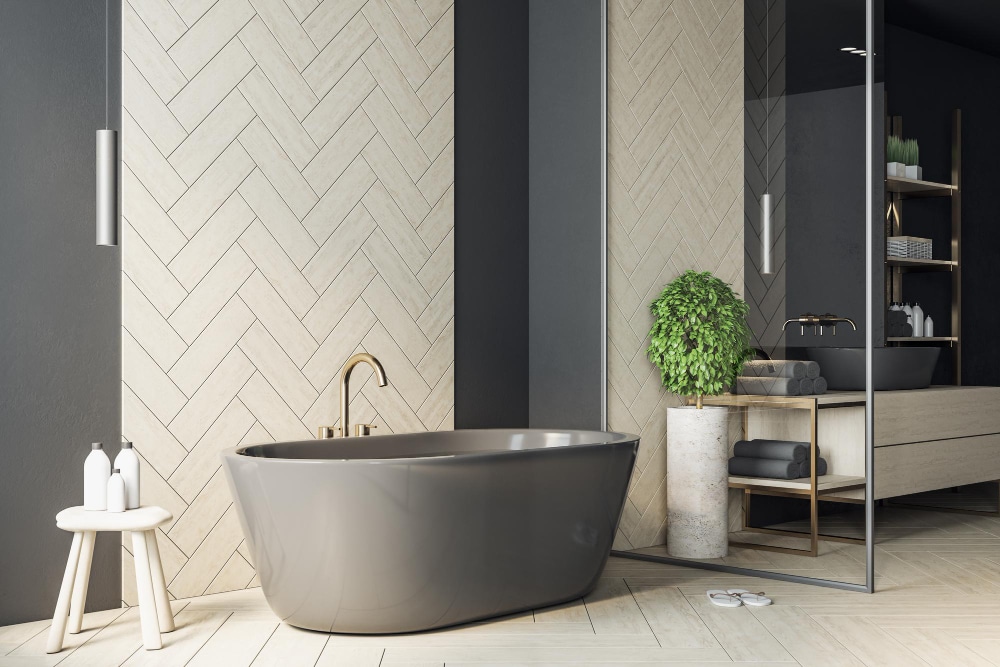
Choosing the right bathtub can make all the difference to how your bathroom looks, feels and functions. A freestanding bath, with its elegant and luxurious appeal, has become a popular option for homeowners seeking to create a statement piece in their bathrooms. But is this style the right fit for your space? Let’s take a moment to discuss everything you need to know to make an informed decision.
What is a Freestanding Bath?
A freestanding bath is a self-supporting tub that doesn’t need to be attached to a wall. Instead, it stands independently, either directly on the floor or on supportive feet. This style offers a striking visual impact, often seen as the centrepiece of a bathroom. Traditionally, freestanding baths came in styles like slipper or roll-top designs, which exude classic elegance. Modern designs, however, are all about sleek lines and simplicity, with oval or rectangular shapes being particularly popular. While the dream scenario might involve placing your tub in the middle of a vast, open bathroom, most homeowners opt for positioning it near a wall to balance practicality and aesthetics.
The Benefits of This Bathtub
One of the most compelling reasons to choose a freestanding bath is its versatility in design. With countless styles, materials, and finishes available, there’s something to match every taste, from vintage charm to contemporary chic. But the advantages go beyond just looks.
A freestanding bath is often larger and deeper than built-in models, providing a more immersive and luxurious bathing experience. The higher edges of some designs, like slipper baths, offer exceptional comfort for soaking, while rounded tubs provide extra room to relax.
Another practical benefit is the ease of installation. Unlike built-in tubs, freestanding models don’t require the same level of construction work. Their accessibility can also simplify cleaning if there’s adequate space around the tub. Additionally, the thick rim of many freestanding baths is perfect for holding bath essentials or leaning over while assisting young children.
Drawbacks to Consider
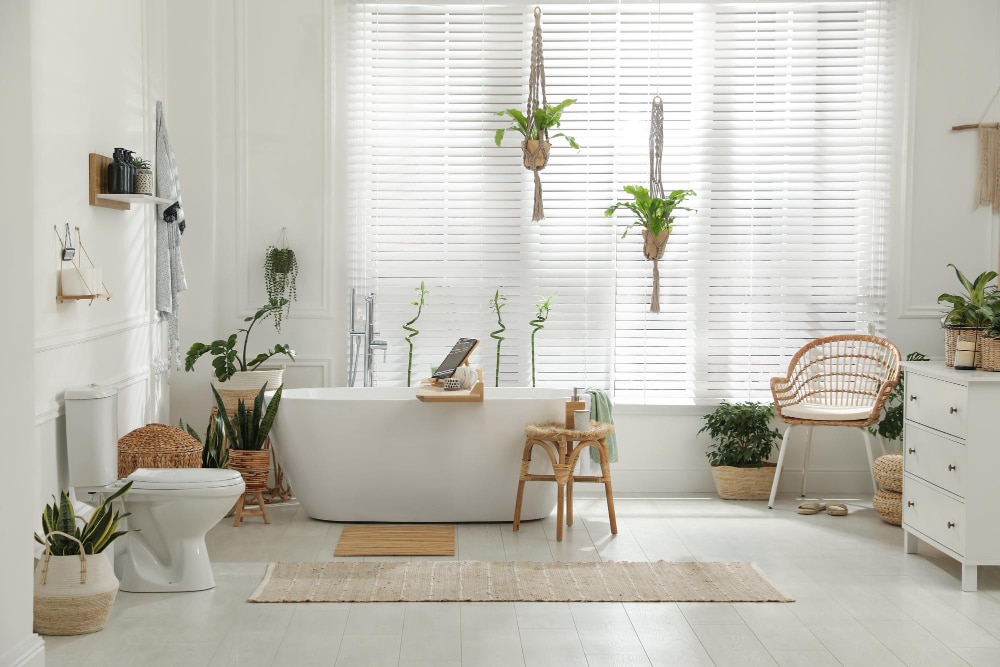
While freestanding baths have undeniable appeal, there are a few downsides to keep in mind. Cost is a significant factor, as these tubs are typically more expensive than built-in options. The premium price reflects the luxurious materials often used, such as stone, cast iron or acrylic.
Space is another consideration. Freestanding baths can dominate smaller bathrooms, both visually and physically, potentially making the space feel cramped. Cleaning can also become challenging if the tub is placed too close to a wall without enough clearance. Additionally, storage can be an issue. Unlike built-in tubs, which often have integrated ledges or shelving, freestanding baths offer limited space for soaps and other toiletries. This can necessitate additional furniture, like a bath caddy or freestanding shelving.
Freestanding vs Built-in Bathtubs
Deciding between a freestanding and built-in bathtub ultimately depends on your specific needs, space, and budget. Built-in tubs are typically more practical for smaller bathrooms, offering added storage and a streamlined appearance. They’re also a more cost-effective choice.
However, if your bathroom has the space and you’re looking for a design statement, a freestanding bath can be the centrepiece that elevates the room. With the right placement and complementary design elements, it can transform your bathroom into a luxurious retreat.
Final Thoughts
Selecting the perfect bath for your new bathroom is a deeply personal choice that blends practicality with aesthetics. Freestanding baths offer undeniable elegance and luxury but come with considerations like space and cost. Whether you’re drawn to the timeless charm of a clawfoot tub or the sleek sophistication of a modern design, expert advice ensures you make the best choice for your space.